 Case packers
Case packer cost: compare scope and ownership
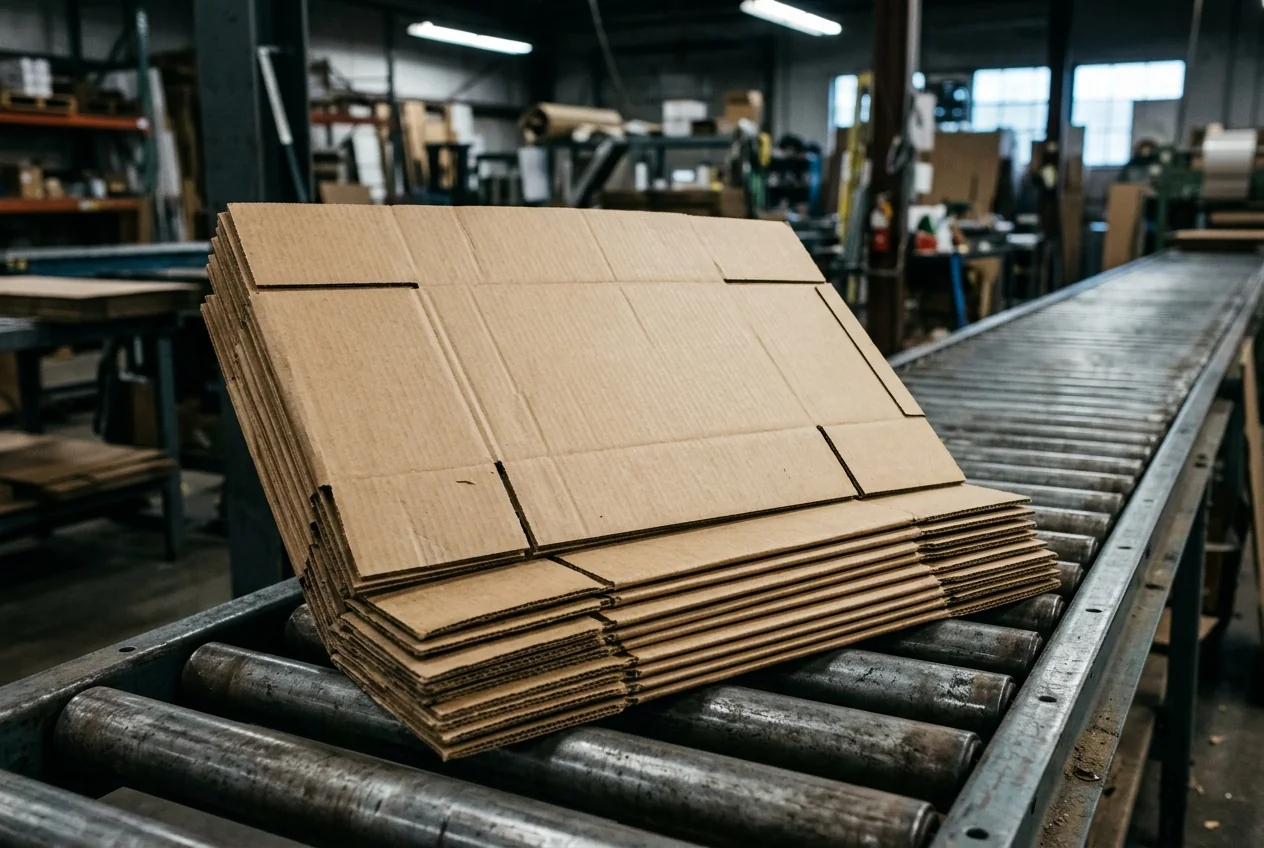
Compare case-packer quotes using the same scope, installed project costs and operating assumptions, with blank ownership-cost records.
Read field note →
ERECT. PACK. SEAL.Engineering the finished case.
Home / Equipment guide
Define what is loaded, and into what.
Case-packing requirements start with the arriving product and its destination package. A retail carton, flexible pouch and lightweight bottle present different grouping and handling tasks. Confirm whether the project includes forming the shipping case, creating the product pattern, inserting it and closing the case.
A quote should state those boundaries explicitly. A speed attached to a collator does not describe a completed shipping case, and a machine’s name does not show which upstream or downstream equipment is included. Use a trial that observes the complete receiving and loading task under your representative product conditions.
Start with the cartoner comparison to identify the packaging layer. Use the cost worksheet to reconcile project scope. The RoboSELEX analysis examines bottle grouping before loading and helps frame an infeed trial.
| Record | Prepare | Purpose |
|---|---|---|
| Product arrival | Loose bottles, individual cartons, bags or prearranged groups | Defines what the infeed must organize |
| Case output | Agreed pattern, protection and finished-case criteria | Defines what the quoted system must deliver |
Use Case packer cost: compare scope and ownership to compare case-packer quotes using the same scope, installed project costs and operating assumptions, with blank ownership-cost records.
Use RoboSELEX before case loading: an infeed trial plan to assess RoboSELEX as a bottle-collating infeed with trial questions for arriving products, receiving case patterns and format changes.
Use Cartoner vs case packer: identify the packaging layer to identify the packaging layer handled by a cartoner or case packer and record which forming, grouping and closure tasks a project includes.
Case packersCompare case-packer quotes using the same scope, installed project costs and operating assumptions, with blank ownership-cost records.
Read field note →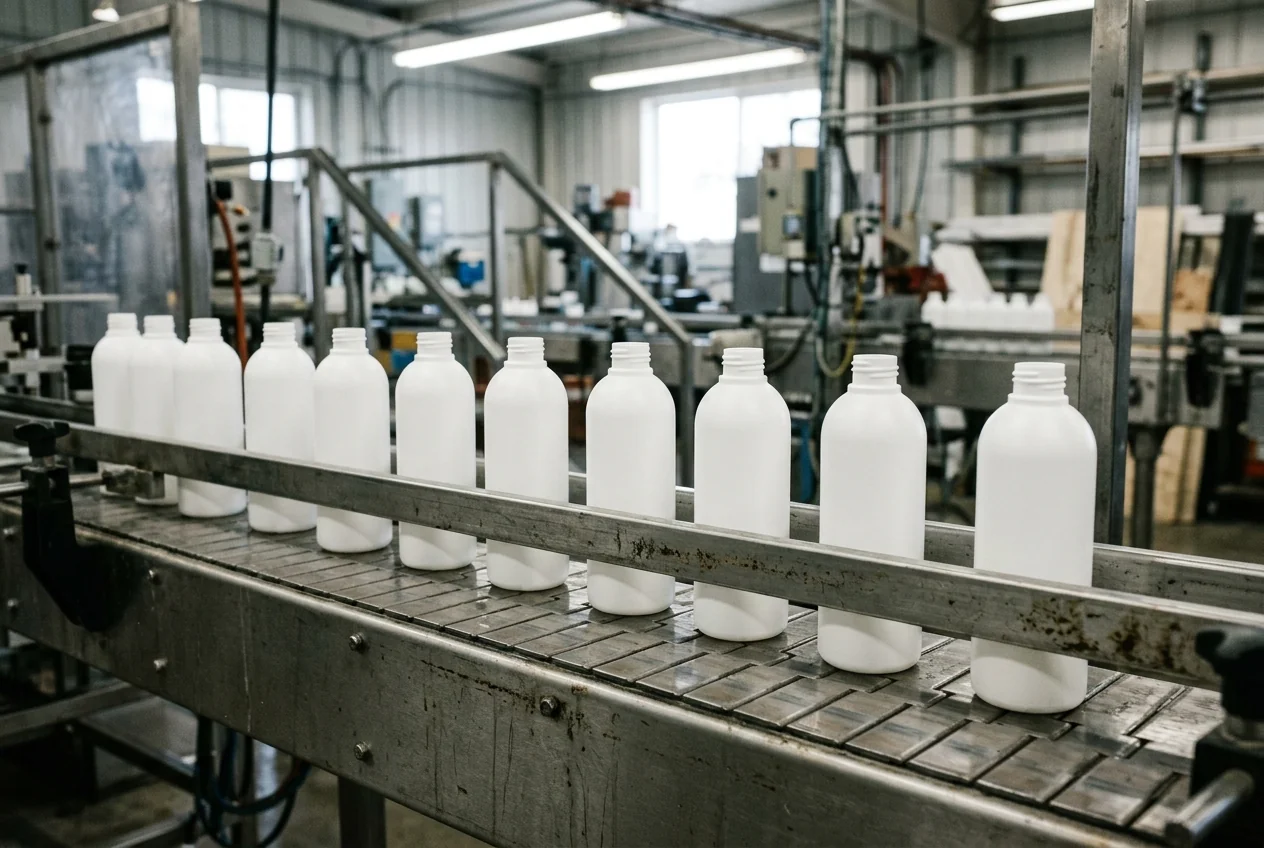 Case packers
Assess RoboSELEX as a bottle-collating infeed with trial questions for arriving products, receiving case patterns and format changes.
Read field note →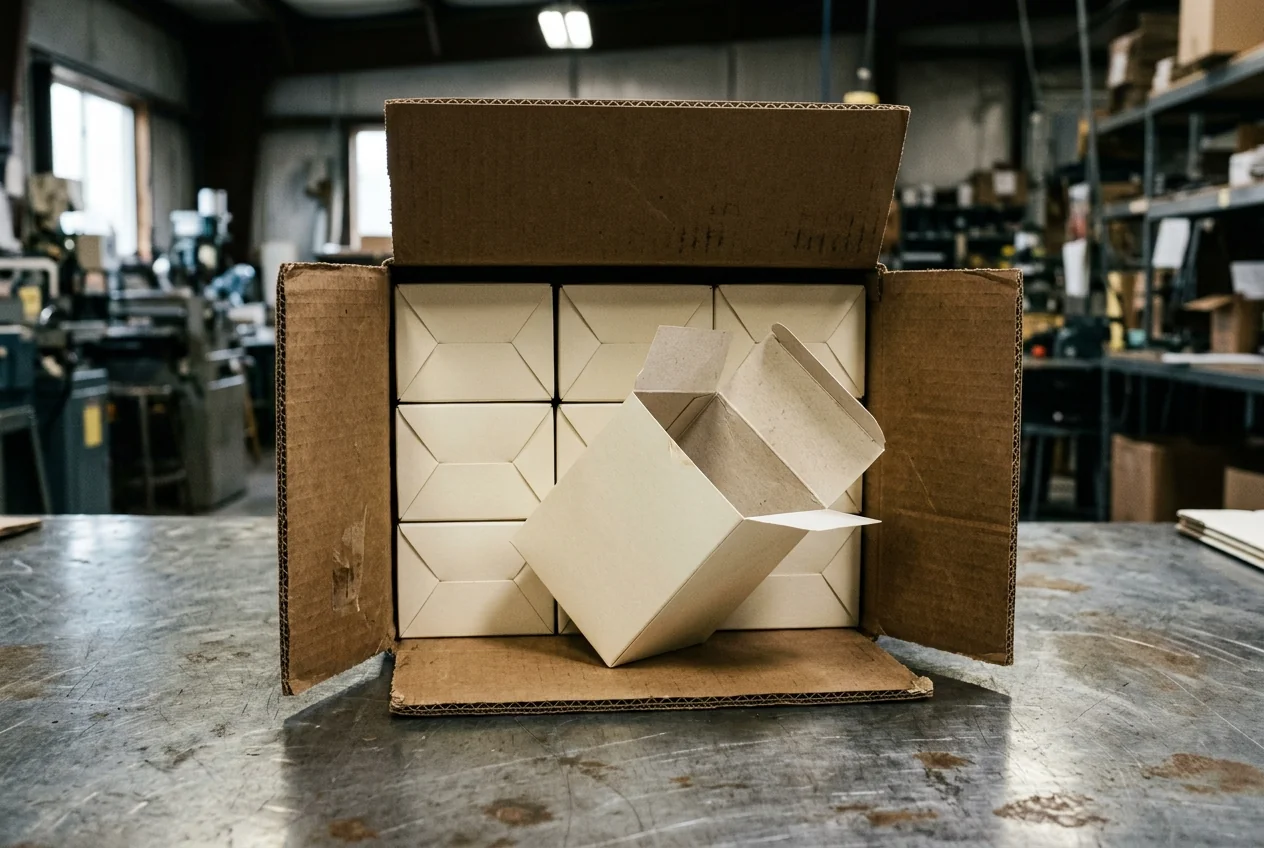 Case packers
Identify the packaging layer handled by a cartoner or case packer and record which forming, grouping and closure tasks a project includes.
Read field note →