 Case sealers
Case sealers for small boxes: support and closure checks
Check small-box geometry, transport support and tape or glue closure using the actual loaded case and model-specific application limits.
Read field note →
ERECT. PACK. SEAL.Engineering the finished case.
Home / Equipment guide
Check the case that reaches the closure station.
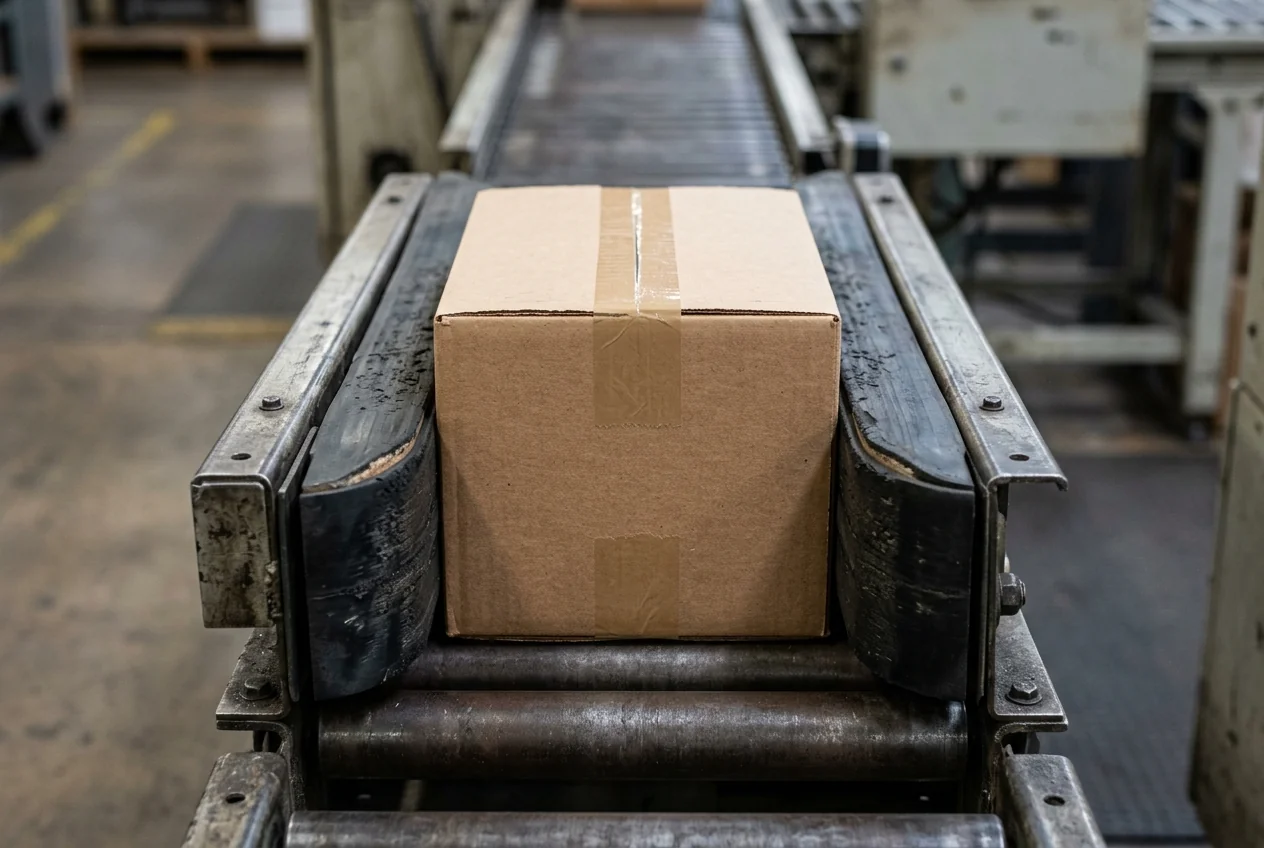
A sealer needs a case it can locate, support and close. Small boxes make that receiving condition particularly important: side-belt contact, roller support and the closing path must suit the actual loaded case. A headline minimum-size figure does not describe all those interfaces.
Tape and hot-melt closure require different consumables and acceptance checks. Confirm what is already folded when the case arrives and who controls the top flaps. Judge a representative loaded box after closure using the agreed case and seal requirements, rather than accepting a demonstration on an unrelated empty box.
Use the small-case guide to assemble the dimensional drawing, contact checks and seal observations. Keep rejected samples with the trial record so the cause can be traced to case geometry, presentation or closure.
| Record | Prepare | Purpose |
|---|---|---|
| Receiving condition | Loaded case, top-flap position and transport orientation | Defines the required support and folding task |
| Closure | Tape landing or specified glue application and bond checks | Defines acceptance without inventing a universal setting |
Use Case sealers for small boxes: support and closure checks to check small-box geometry, transport support and tape or glue closure using the actual loaded case and model-specific application limits.