
In this field note
Confusing a cartoner with a case packer can leave a packaging layer out of the equipment scope. A cartoner typically puts a product into its individual folding carton; a case packer loads products or smaller packs into a shipping case.
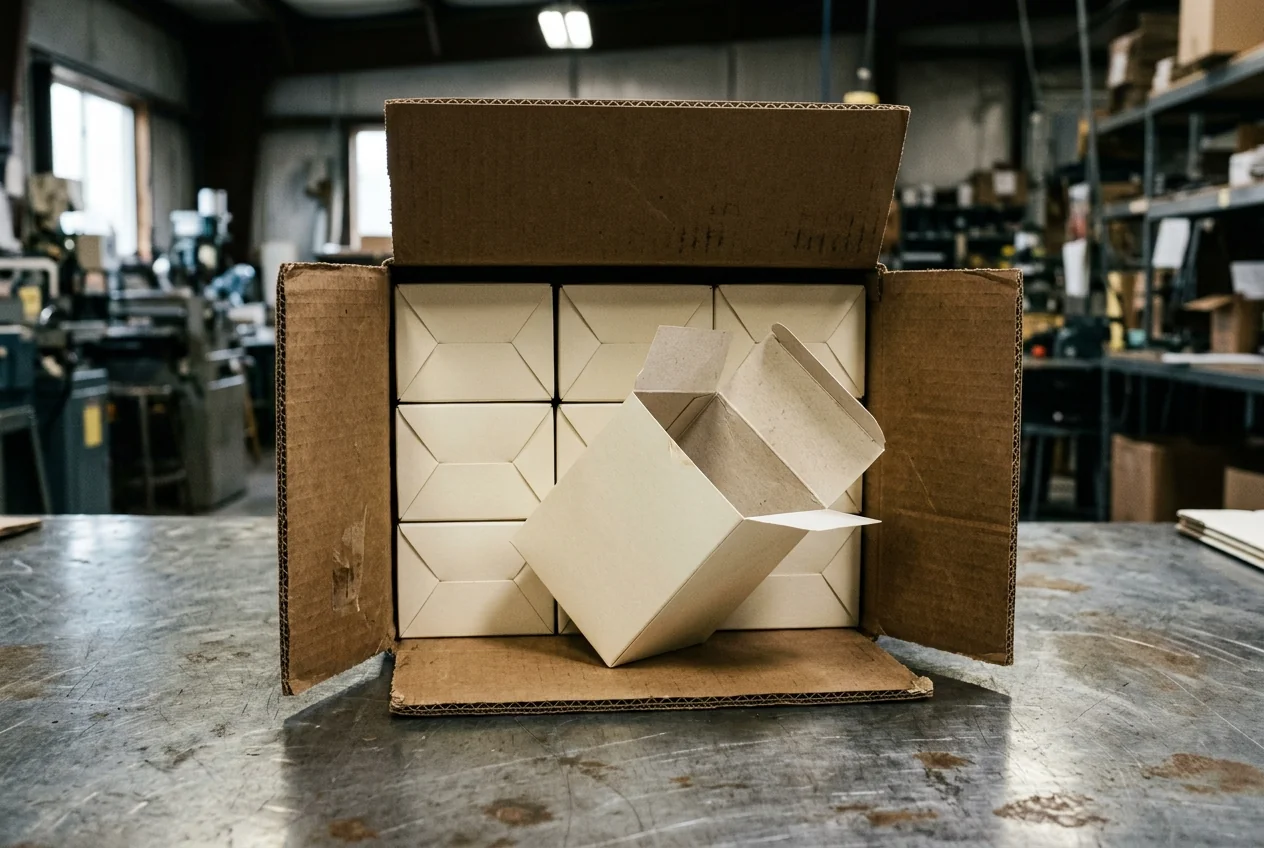
Identify the incoming object and the required outgoing package before comparing machinery. Equipment names vary, and some systems combine several operations. The useful distinction is the packaging layer: a retail carton around a product, a transit case around a group, or a separate forming and sealing task. Confirm each function in the proposed scope.
Follow the product through its packaging layers
Use your actual pack sequence. A product can go directly into a shipping case, so a cartoner is not mandatory on every line. Conversely, a filled retail carton does not eliminate the need to group and load it for shipment.
| Arriving object | Required next output | Task to specify |
|---|---|---|
| Bare item or primary pack | Individual folding carton | Carton erection/presentation, product insertion and closure as required |
| Individual cartons, bottles or bags | Group inside a shipping case | Product collation and case loading |
| Flat corrugated blank | Open formed shipping case | Case erecting or forming |
| Loaded open case | Closed shipping case | Flap handling and tape or glue sealing |
The word “carton” can also be used loosely for a shipping box. Avoid relying on that term alone in a project brief. Attach photographs or drawings of what arrives and what must leave, then name the work between those points.
Separate case forming from loading
An RSC case-loading system needs a formed case, whether that arrives from a separate erector or a combined system. Brenton’s published RSC solutions describe side-load and top-load case-packing approaches. That describes insertion into the case; the exact forming, grouping and closing equipment included still depends on the proposal.
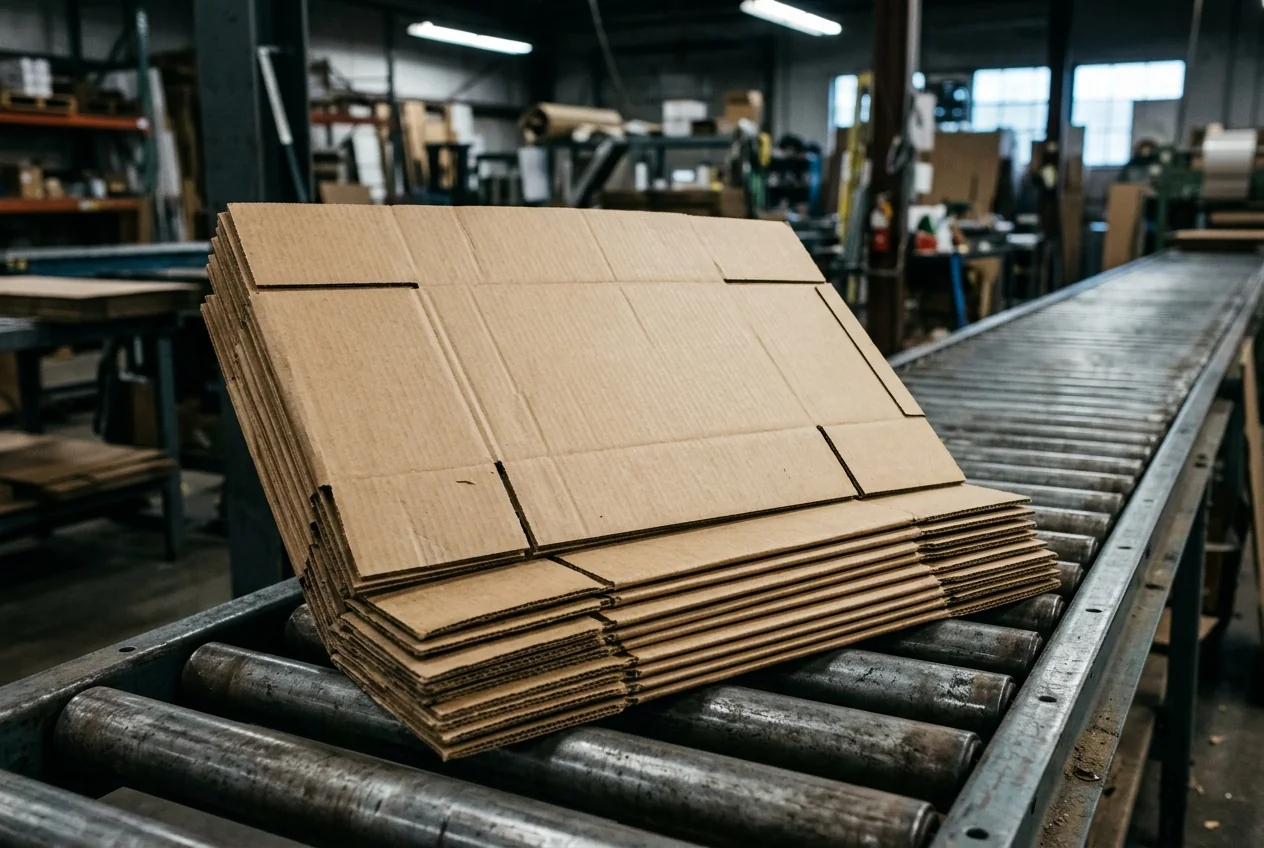
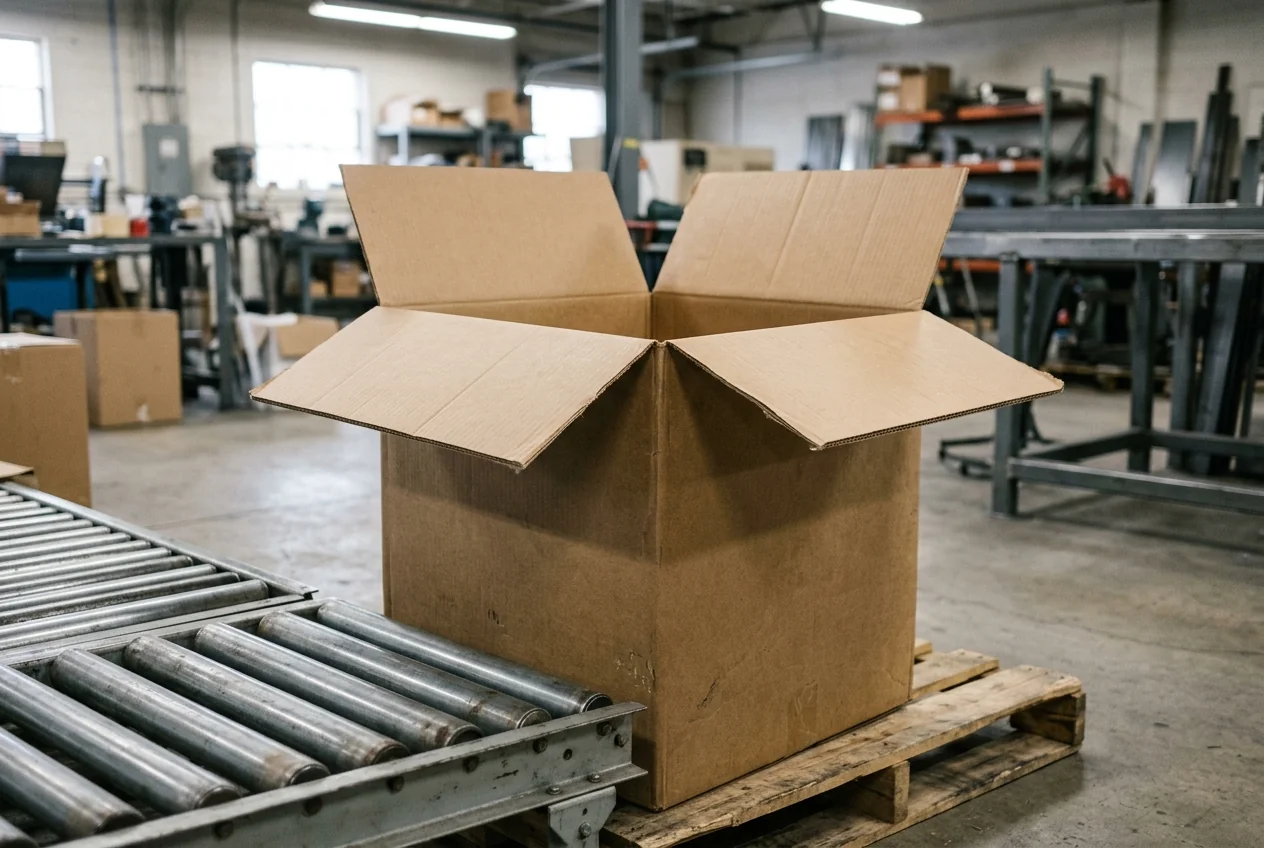
Ask the supplier to show the route of both materials: the product stream and the empty-case stream. Their meeting point is an important scope boundary. If an operator must prepare or present cases there, include that work in the comparison rather than assuming an automatically formed supply.
Describe the incoming product honestly
A row of upright cartons and a stream of irregular pouches can require different handling. Do not write only “packs per minute” when the machine must also establish orientation, count and a loading pattern.
| Product input | Information the equipment brief needs |
|---|---|
| Folding carton | Dimensions, rigidity, orientation and any surface-handling restrictions |
| Bottle | Shape, stability, fill state and permitted grouping pressure |
| Flexible bag or pouch | Filled dimensions, seal/flap presentation and variation |
| Prearranged group | Pattern, support, arrival repeatability and missing-item handling |
State whether the product arrives singly or already grouped. A case packer may include grouping, or it may expect a prepared group. For a named example of equipment before case loading, the RoboSELEX infeed analysis explains which receiving questions belong in a trial.
Reconcile a combined-system proposal
A machine that combines functions can be suitable, but its combined name should not replace an itemized boundary. Record who supplies each material, who removes rejects and how the next operation receives the output.
| Function | Included equipment or responsible party | Acceptance evidence |
|---|---|---|
| Individual carton preparation and filling | ___ | Correct product and retail pack |
| Shipping case formation | ___ | Defined case geometry and bottom condition |
| Product grouping | ___ | Required count and arrangement |
| Case loading | ___ | Accepted loaded case without defined damage |
| Case closure | ___ | Required flap and seal condition |
| Discharge to next operation | ___ | Supported transfer at the defined location |
Mark an intentionally omitted function as excluded, with its owner. An unanswered row is a scope gap, not proof that a supplier has included it.
Choose the equipment by the missing operation
Start with a cartoning project when you need an individual folding carton around the product. Start with case packing when the missing operation is loading shipping cases. Add forming or sealing where the input/output boundary requires it, whether those functions are combined or separate.
Before requesting comparable proposals, make a one-page package-flow drawing using actual samples. Label the product stream, corrugated stream and completed case. Then use the ownership-cost worksheet to compare only proposals that deliver the same output.
Methods and sources
This is an editorial explanation of common packaging-layer terminology, based on Syntegon’s public cartoning portfolio, Brenton’s case-packing descriptions and the forming/packing/sealing distinctions in Wexxar’s catalog. A blocked cartoner-source fetch was excluded from evidence. The terminology is not a rule for every supplier’s machine name, and the tables do not establish model compatibility. Sources were retrieved on 16 October 2026. Continue with case packers.
Source documents read:
- RSC Standard Cases and Trays (retrieved 16 October 2026).
- syntegon (retrieved 16 October 2026).
- Flex E Pack catalog (retrieved 16 October 2026).